
St Philip's Church of England Primary School
Keeping yourself safe
All children should feel safe.
It is normal to feel a little bit of worry, to be a little bit sad or a little bit anxious from time to time but if there is something that is on your mind a lot, is making you feel upset or something is happening to you that you don't like or someone is hurting you we can help you.
Talk to someone you trust - at home or at school or you can phone Childline.
I have put the poster that we have in school here to remind you of the number.
Remember our CEOP button on line too - you can report anything that worries you online too.
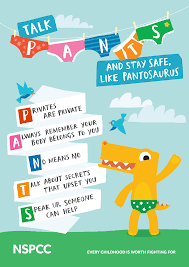
If someone is hurting you or touching you in a way that you don't like you can tell a grown up you trust in school and we will do all we can to help you. The NSPCC website has lots of information for you including the PANTS rule that we remind you about in school each year.
If you are worried that your mum and dad or carers are not giving you what you need to keep you well fed, clean, warm and looked after... watch this video to help you think more about these thoughts. https://www.youtube.com/watch?v=wrLOLBHPEO4
Childline have great pages for children under 12.
Follow this link for lots of information and advice... https://www.childline.org.uk/kids/
Remember...
Stay safe and if you need to; speak out.
From Mrs Edward
At our school, keeping you safe is one of the most important things we do. We help you learn how to make good choices when you’re out and about so you can enjoy the world and feel confident.
We talk about stranger danger in a calm and friendly way. You learn that most people are kind, but it’s still important to:
- Stay close to your trusted adults, like your parents or teachers.
- Never go anywhere with someone you don’t know, even if they seem nice.
- Tell a grown‑up you trust if something happens that makes you feel worried, unsure, or uncomfortable.
By learning these things, you become more aware, more confident, and ready to keep yourself safe while still having fun and exploring the world around you.
Watch the BBC Bitesize clip below for more tips....
Staying Safe Online
At our school, safeguarding children from potential online dangers is an utmost priority, as these risks can sometimes lead to challenges with mental health and wellbeing. With the increasing use and demand for AI, online safety is more important than ever. We want to help our children understand how to protect themselves not only from unkind or inappropriate messages and content created by people online, but also from misleading information created by AI, such as fake news.
On Mental Health Awareness Day, each year group spent time in the computer suite discussing these potential dangers and learning ways to stay safe online. The children also explored how the internet can be used in positive and healthy ways.
As part of the session, pupils created a “Digital Safe Space”, recognising the positive features of online use and designing a collage of ideas that could support their mental health and emotional wellbeing.
What can we do at home?
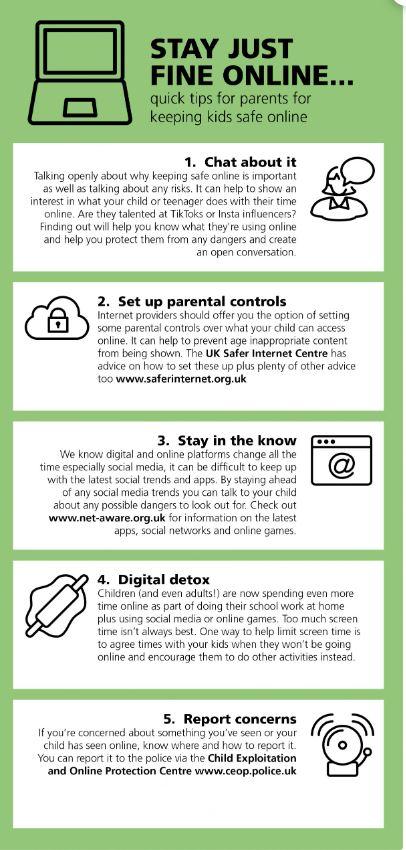
There is a wide range of online support, guidance, and tools designed to help parents and guardians understand online risks and keep children safer on the internet at home. Here are some of the most useful types of support:
1. Trusted Online Safety Organisations
Several organisations provide advice, guides, and resources for families:
-
NSPCC – Offers advice for parents about online safety, social media risks, and reporting concerns through Childline.
-
Internet Matters – Provides step-by-step guides on parental controls, gaming safety, and age-appropriate online use.
-
UK Safer Internet Centre – Shares advice on privacy settings, cyberbullying, and safe browsing.
-
National Online Safety – Provides guides explaining popular apps, games, and digital trends affecting children.
2. Parental Control Tools
Parents can use built-in tools and apps to manage children’s internet use:
-
Google Family Link – Manage screen time, approve downloads, and track device usage.
-
Microsoft Family Safety – Set content filters, screen-time limits, and activity reports.
-
Apple Screen Time – Monitor and control app use on Apple devices.
Try this quiz with your child to what they know!
-
Quiz:
https://www.nspcc.org.uk/keeping-children-safe/online-safety/quiz/
For any additional information on online support...
Please visit:
https://kidsonlinesafety.campaign.gov.uk/online-content/?utm_source=search&utm_medium=paid&utm_campaign=media+literacy&gclsrc=aw.ds&gad_source=1&gad_campaignid=23596743509&gbraid=0AAAABC7TnV0GZXvRsgJpNlDYUb9a_gFu_&gclid=EAIaIQobChMIqIyJ5NuLkwMVz5ZQBh03fynTEAAYASAAEgIG-fD_BwE
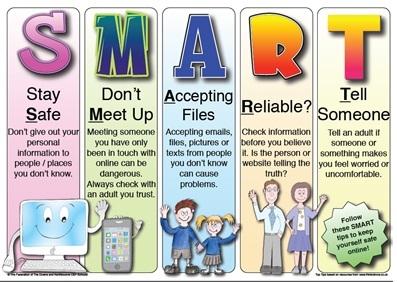
Safer Internet Day PowerPoint:
As part of our PSHCE lessons, we use special resources from Ariel Trust to help our Year 5 and 6 children learn how to stay safe and make sensible choices. The activities use short stories and situations that children might come across in real life, both online and offline. Together, we learn how to spot when something doesn’t feel safe, how to think carefully before making decisions, how to say “no” if we need to, and how to ask for help from a trusted adult. These sessions are especially helpful for our Year 6 pupils as they get ready for high school, where they may face new places and new people. Our aim is to help everyone feel confident, prepared and ready for their next steps.
Team around the school


The Team Around the School, or TAS, is a friendly group of adults who work with our school to help children and families when they need a bit of extra support. They might run small friendship groups to help children get along better, meet with parents to offer guidance, or spend time each week talking with children who would like someone to listen. TAS works with our teachers and other helpers outside school so that everyone can work together to make sure children feel happy, safe and ready to do their best. If you feel you need any help -speak to a trusted adult.
Water safety
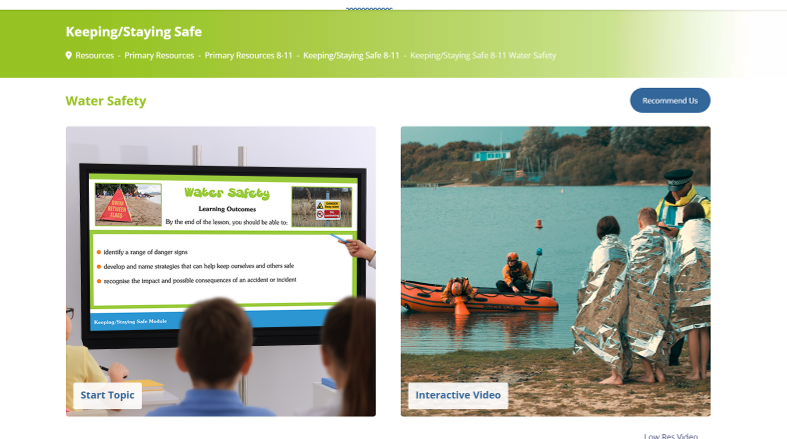
Due to our coastal location water safety is an essential life skill for our children. It is taught as part of our PSCHE curriculum using the One Decision resource programme and swimming lessons take place for a term for Years 3-5 on rotation across the school year.
Railway safety
Every year each class talks about the importance of Rail safety- in the context of our school this is very important as we are very near a lot of railway crossings. We use resources provided by Network rail and their Live and learn resources.