
St Philip's Church of England Primary School
Parent Workshops, support and advice
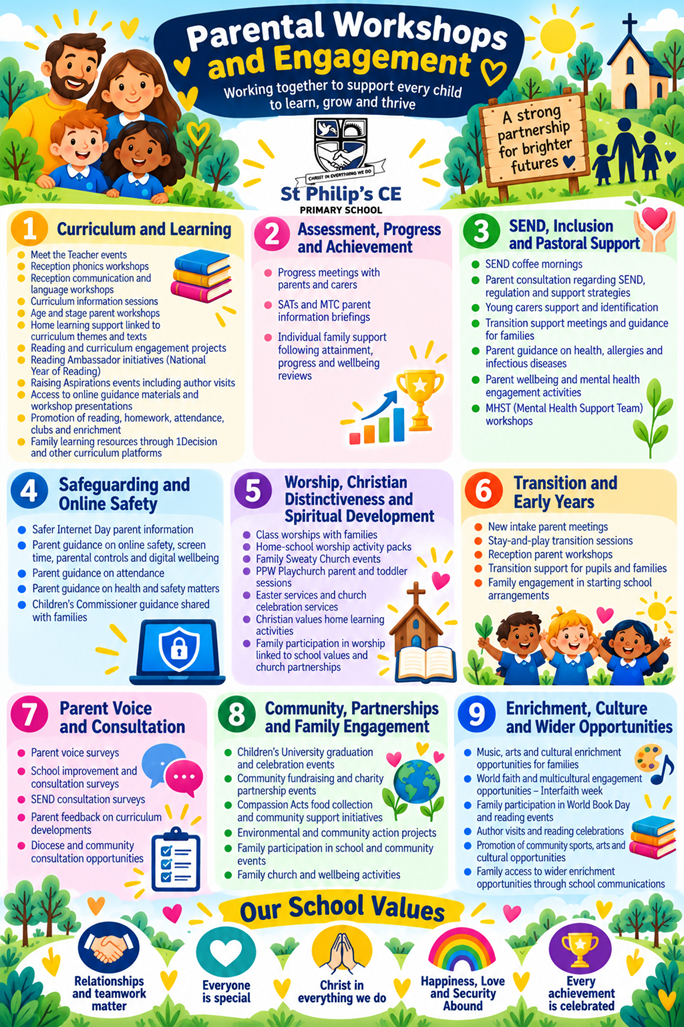
Parents Social Communication Training Sessions
Therapeutic Team
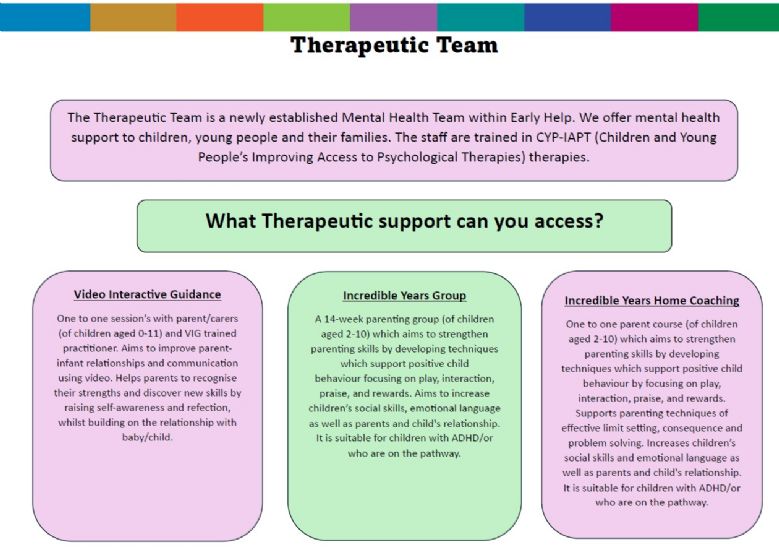
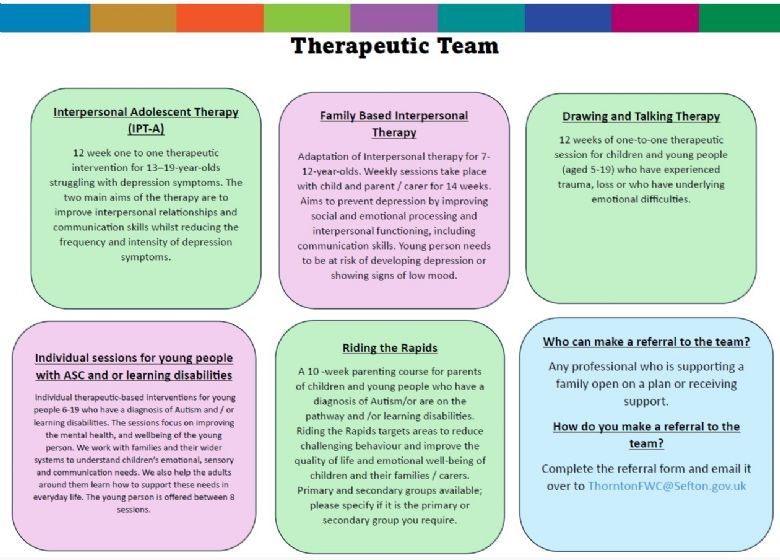
Parenting the anxious child
Tips for parents and carers around sleep routines.
Prayer
Praying is a very simple but powerful thing you can do with or for a child.
It doesn’t matter if you’re not used to praying. There are no rules about what words you should say, how long your prayers should be, where, or how often you pray.
Prayer is quite simply a conversation with God. Having him to trust and help us in any moment of life is both comforting and amazing.
When to pray
You can pray whenever you like, at ordinary times and on special days.
These are just a few examples of milestones in a child’s life when prayer might be especially helpful:
- The christening day
- Birthdays
- Christening anniversaries
- First day at school
- Difficult times – being poorly, facing problems and sadness
- Moving on to secondary school
- Exam times
- New relationships
-
And, you can pray wherever you like – at home, in the car, on a walk, but some people like to find a quiet space somewhere.
The more you pray, the more familiar it will become. In fact, your own prayer journey can be just as amazing for you as it is for the child.
Learning how to pray
These are some easy ways to begin to pray:
- Hold or look at a photo of the child you’re praying for and ask God to bless them today.
- Light a candle, and as you watch it burn, ask God to bless your child and help them be a light for others as they grow up.
- Imagine Jesus at your side and talk to him as if talking to your closest friend. Tell him everything that’s on your mind about your child, your family, worries, things you’re thankful for, how you can support them. Ask for his help and guidance.
-
Helping children to pray
These are a few simple ways to help a child to pray.
- Teaching them the Lord’s Prayer and talking about what each line means. Prayer cubes can be a good way to help with this.
- Giving them a prayer book to suit their age. There are many available; Eden.
- There are lots of types of prayer, including saying ‘Thank you’ to God for all the things we’re glad about, saying ‘Sorry’ for wrong things we’ve done and regret, and saying ‘Please’ for things we’d like God to do, or things we need help with.
-
The first letter of each of those words spells ‘TSP’, the same as the abbreviation for ‘teaspoon’. To help a child to remember those types of prayers, you could put three teaspoons in a jar, each with a different letter on (T, S or P) and then invite them to take one out and think of a prayer they’d like to say to God.
Bereavement
https://www.childbereavementuk.org/ helps families to begin to rebuild or just to carry on during times of bereavement, grief and loss.
General support and guidance
Sefton Directory Use the search facility to find support in the local area.
https://parenting2000.org.uk/ free, confidential support and services for families.
https://www.actionforchildren.org.uk/our-work-and-impact/children-and-families/parenting-support/ free support for tricky times.
Team Around the School
The Team Around The School (TAS) involves multiple professionals coming together to make sure that worries are dealt with at the earliest point and you receive the help you and your family need.
Benefits of Team Around The School
Every family could benefit from Team Around the School and everyone needs help and support at times and that is ok. These are some of the worries you may be facing that a Team Around the School approach can help you with:
- Speech and Language Development
- Family Routines
- Health Concerns
- Drug and Alcohol Misuse
- Housing Support
- Parenting
- Money Worries
- Managing Behaviour
- Parental Relationships
- Emotional Health and Wellbeing
How Does Team Around the School Work?
When you work with your child’s school to discuss your family’s needs they will ask for your agreement to work together with your family.
This information is shared with a core group of professionals from early help, education, and health – plus professionals who are specialists in a specific area of work. They will then work together to identify the best package of support for you and your family.
The Team Around the School meetings are arranged by someone who knows you and your family, for example, School or Nursery and they will take place in those settings.
At these meetings, the school will make sure that your wishes and feelings are shared, are at the heart of the discussion and remain the priority. You will then work with someone from the team to develop a support plan, which is tailored to your families needs. At any stage if you feel that you no longer need this support a conversation will take place to discuss your decision.
Schools and professionals will follow government guidance on information sharing when considering and explaining support available from the Team Around the School.
Your child’s school will:
- Explain the options of support available from different partner services
- Agree with you the support services you would like to access
- Support you to make links with the services who will be leading on the work with you and your family